Services
Reporting, intelligence, and monitoring — one discipline, three points of entry.
01
Sustainability Assessment, built against a recognised standard
- What changes
- Sustainability performance evaluated against the world's best impact reporting standard — spanning its environmental, social, and governance disclosures equally, not weighted toward the carbon-related ones — not an informal checklist built to resemble it.
- Why it matters
- Business goals and sustainability impact only line up when measured against the same benchmark everyone else is held to.
- What it becomes
- A disclosure aligned to the world's best impact reporting standard from the first draft, not retrofitted to it later.

02
Intelligence applied to the source of data
- What changes
- Computer vision, large language models, and machine learning applied to real operational data — not just to analyse it, but to improve the operations generating it.
- Why it matters
- Sustainability work stops being a once-a-year analysis exercise and starts informing decisions as they're made.
- What it becomes
- Intelligence built into how operations run, not a separate tool bolted onto the reporting process afterward.
03
Monitoring at the source, not the year-end
- What changes
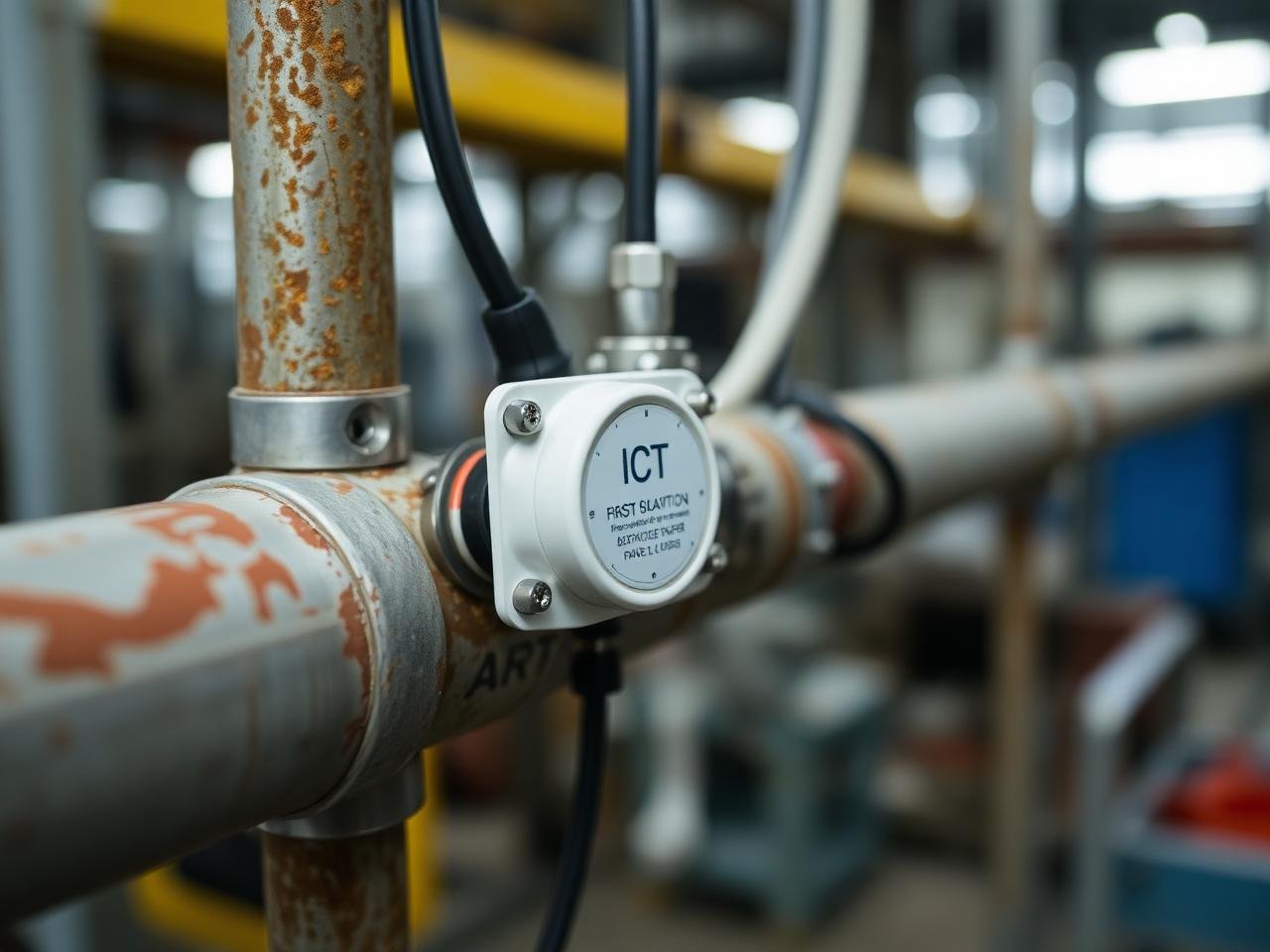
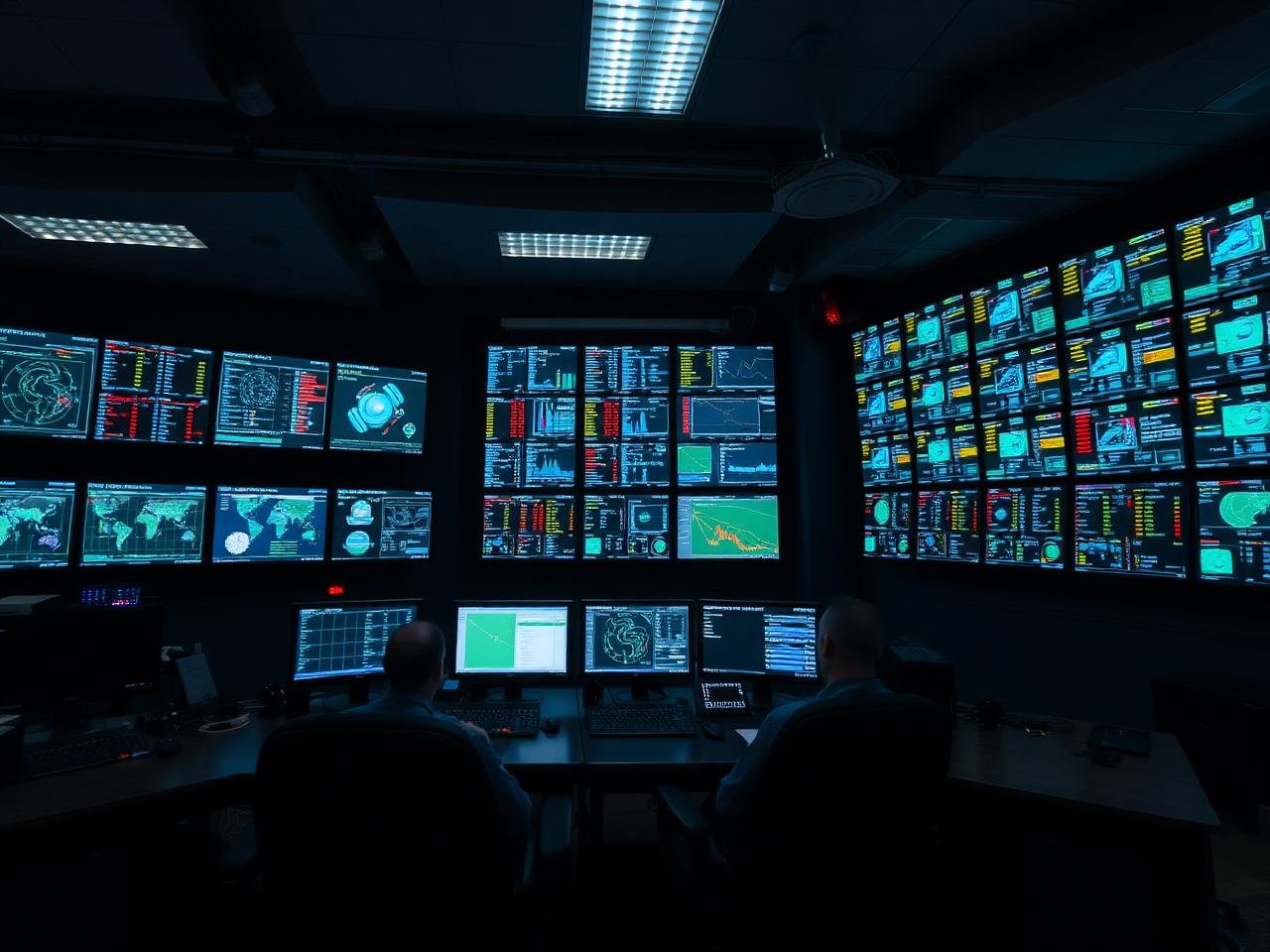
- Sensor-integrated platforms recording real-time data — energy, water, and emissions; workforce safety incidents; and governance-relevant record-keeping — as it happens.
- Why it matters
- A live feed beats a year-end estimate every time someone asks how you know.
- What it becomes
- Sustainability decisions grounded in what's actually happening, not what was last reported months ago.